Soft Tissue Injuries: What They Are and How Physiotherapy Helps You Recover
A muscle pull, a sprain, tendon overload. What to do in the first days and why complete rest is no longer the answer.
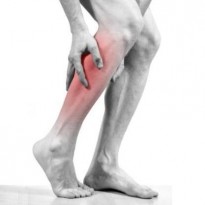
The calf is one of the areas where muscle tears and overload injuries most commonly occur.
Soft tissue injuries are probably the most common reason for a physiotherapy consultation. They affect the structures surrounding bone — muscles, tendons and ligaments — and can appear anywhere in the body, although they are especially common in ankles, knees, shoulders and elbows.
The good news is that most recover well. The key is doing the right thing at each phase: protect at first, load progressively afterwards and not return to activity too soon.
What is a soft tissue injury?
It is any damage to non-bone tissue. Depending on the structure affected, we distinguish between different injuries:
Strain and muscle tear
The classic "pull". Common in hamstrings, calves and adductors, especially in sports with sprints or pace changes.
Sprain
Stretching or tearing of a ligament after a forced movement. Ankle sprains are the most common.
Tendinopathy
Pain and loss of load tolerance from overuse. For example, tennis elbow, shoulder or Achilles tendon.
Contusion and bursitis
Direct blows causing haematoma, or irritation of the bursae that cushion friction between structures.
Most common symptoms
- Localised pain that increases when moving or contracting the area.
- Tenderness when touching the affected area.
- Swelling and a feeling of stiffness.
- Bruising or skin colour change in the hours or days that follow.
- Loss of strength or difficulty bearing weight or using the limb normally.
Why do they occur?
There are two main mechanisms. Acute injuries occur suddenly: a bad landing, a fall, a sprint or a collision. Overuse injuries develop gradually, when tissue receives more load than it can tolerate over weeks: a sudden increase in training, a repeated movement at work or poor technique.
In the second case, pain is usually the last warning sign. That is why in the clinic we not only treat the injury — we look for what caused it so it does not come back.
What to do in the first days: a two-phase protocol
For years the RICE protocol was recommended (rest, ice, compression and elevation). Current evidence proposes a more complete approach that distinguishes what is helpful immediately after injury from what helps from the following days onwards.
Acute phase · first 72 hours
- Protection: limit movements that increase pain for 1 to 3 days.
- Elevation: keep the area above the heart when possible.
- Avoid anti-inflammatories: initial inflammation is part of repair. Always check with your doctor about medication.
- Compression: a compression bandage helps limit swelling.
- Education: understanding your injury prevents unnecessary treatments and fears that delay recovery.
Active recovery phase
- Load: gradually return to using the area, guided by pain.
- Optimism: confidence in recovery influences the outcome. Fear of movement makes it worse.
- Vascularisation: pain-free cardiovascular activity such as walking, cycling or swimming to improve blood flow.
- Exercise: restore mobility, strength and motor control with an adapted programme.
How physiotherapy helps you
- Assessment and functional diagnosis
We identify which structure is damaged, to what degree and what factors contributed to the injury. If an imaging test or medical assessment is needed, we will let you know.
- Pain management
With manual therapy and, where indicated, technologies such as Indiba Activ radiofrequency, we reduce pain so you can start moving sooner and better.
- Progressive loading and therapeutic exercise
Tissues adapt to load. A well-dosed exercise programme is the most evidence-based treatment for recovering strength and resilience in muscle, tendon and ligament.
- Mobility, balance and motor control
After an injury you lose both mobility and movement control. Working on this reduces the risk of the injury recurring, especially in ankle sprains.
- Safe return to your activity
We design the transition back to your sport or work using objective criteria of strength and function, not just the absence of pain.
How long does recovery take?
It depends on the tissue and the severity. These timelines are approximate:
| Injury | Approximate time |
|---|---|
| Mild contusion | 1 to 2 weeks |
| Mild muscle strain | 1 to 3 weeks |
| Moderate muscle tear | 4 to 8 weeks |
| Mild to moderate ankle sprain | 2 to 6 weeks |
| Tendinopathy | 6 to 12 weeks or more |
| Complete ligament rupture | Several months |
Each case is different. Age, activity level, previous injuries and how the first weeks are managed all significantly affect the prognosis.
- You cannot bear weight on the foot or use the limb.
- You heard a snap and notice deformity or a hollow in the area.
- There is extensive bruising or swelling that keeps increasing.
- Tingling, numbness or coldness appears in the limb.
- Pain does not improve after 3 to 5 days.
How to prevent recurrence
Strength
Train strength regularly, especially in the muscles and tendons you use in your sport.
Progression
Increase training load gradually. Sudden changes are the most common cause of overuse.
Warm-up
Spend 10 to 15 minutes activating the body with movements similar to your activity.
Rest
Sleeping well and respecting recovery between sessions allows tissue to adapt.
Technique
Review your sporting movement or work posture if you repeat the same motion repeatedly.
Listen
A discomfort lasting several days is a signal. Treating it early prevents it from becoming a full injury.
Injured and want to recover properly?
We assess your injury and design a treatment adapted to you. Physiotherapy in the Salamanca district, Madrid. Also open Saturdays.
Book your appointment onlineAny questions? Message us on WhatsAppFisioin20 · C/ Don Ramón de la Cruz, 36 · Madrid · fisioin20.com
References
Dubois B, Esculier JF. Soft-tissue injuries simply need PEACE and LOVE. Br J Sports Med. 2020;54(2):72–73.
This article is for informational purposes only and does not replace assessment by a healthcare professional.