Physiotherapy · Lumbar spine
Lower Back Pain: Causes, Types and Physiotherapy Treatment
Lower back pain is the leading cause of work disability in many countries and the number one cause of disability worldwide. The vast majority of cases improve with an active, well-directed approach — without indefinite rest or surgery.
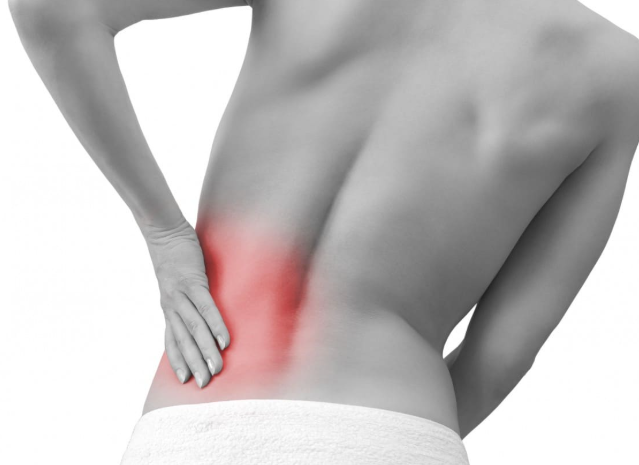
Lower back pain — also called lumbar pain, lumbago or back pain — is one of the most common reasons for a physiotherapy consultation. Around 80% of the population will experience it at some point in their lives, and in many cases it becomes a recurring problem that limits work, sport and daily life.
The good news is that the vast majority of back pain episodes have a benign musculoskeletal origin and respond very well to conservative physiotherapy treatment. The key is correctly identifying the type of pain and acting from the outset with the right approach.
Why does the lower back hurt?
The lumbar region bears the weight of the trunk and is involved in virtually every movement of the body. This combination of load and mobility makes it especially vulnerable. The structures most frequently generating pain are the muscles and fascia, intervertebral discs, facet joints and supporting ligaments.
Most common causes
Muscle overload, sedentary lifestyle, sudden movements, poor postural habits, accumulated stress and weakness of the core stabilising muscles.
Typical profile
People aged 30 to 60, with sedentary jobs or those involving physical load. Higher prevalence in those with an inactive lifestyle.
Without treatment
An acute episode may resolve on its own, but the risk of it becoming chronic increases with each recurrence. Early intervention significantly reduces that risk.
Types of lower back pain
Not all lower back pain is the same. Distinguishing between the different types has a direct impact on treatment choice:
Non-specific low back pain
This is the most common type, accounting for 85–90% of cases. It cannot be attributed to a specific structural cause. The pain is usually mechanical — worsened by movement and improved by relative rest — and responds very well to active physiotherapy. This is what is commonly known as lumbago.
Low back pain with a discal component
A disc herniation, protrusion or disc degeneration can irritate nerve structures and cause lumbar pain accompanied by sciatica: pain, tingling or numbness radiating down the leg. Physiotherapy is the first-line treatment in these cases too, unless there are serious neurological deficits.
Facet joint low back pain
The small joints of the lumbar spine can become inflamed from overload or degeneration. The pain is usually unilateral, worsens with extension and may radiate to the buttock or thigh without reaching the knee.
Red flag symptoms requiring urgent medical evaluation: pain appearing without clear cause in people over 50, intense night pain that does not ease with rest, loss of strength or sensation in the legs, loss of bladder or bowel control, fever or unexplained weight loss. If you have any of these symptoms, go to A&E before starting physiotherapy.
What to do when lower back pain appears
The first reaction to an acute back pain episode is usually rest. However, current scientific evidence is clear: staying in bed for more than one or two days worsens the prognosis. What actually helps in the first 48–72 hours is:
- Stay active within the limits that pain allows. Walk, move carefully and avoid forced positions.
- Apply local heat to the area for 15–20 minutes, which can ease muscle tension and reduce pain.
- Avoid sudden movements, but without immobilising yourself: a lumbar support belt is only indicated in very acute phases and should not be used for more than a few days.
- Consult a physiotherapist if pain does not improve within 48 hours or limits basic daily activities.
If the back pain is recurrent — if you have been having frequent episodes — treatment needs to go beyond relieving acute pain: you need to find and correct the factors causing it.
How physiotherapy addresses lower back pain
The goal of physiotherapy is not only to relieve pain in the short term, but to understand why it appeared and give the patient the tools to prevent it from returning. Treatment is structured according to the phase of the process (acute, subacute or chronic) and the individual characteristics of each person.
«Movement is medicine. Prolonged immobilisation in non-specific low back pain delays recovery and increases the risk of chronification.»
— Maher, Underwood & Buchbinder, The Lancet, 2017Manual therapy
Spinal manipulation and mobilisation, deep tissue massage, neurodynamic techniques and myofascial release are tools with solid evidence for reducing pain and restoring mobility in the acute and subacute phases. At Fisioin20, in the Salamanca district of Madrid, we combine these techniques with global movement assessment to identify the patterns that contributed to the injury.
Exercises for lower back pain: the cornerstone of recovery
The lumbar, abdominal and gluteal musculature acts as a natural corset protecting the spine. When that musculature is weak or poorly coordinated, load is distributed inadequately and pain appears or persists. The exercise programme for back pain is designed progressively:
- 1Deep stabilising muscle activation
The first step is re-establishing reflex activation of the transversus abdominis and pelvic floor, which tend to be inhibited after a pain episode. Worked in low-load positions before progressing.
- 2Motor control and lumbar stabilisation
Exercises such as bird-dog, glute bridge and dead bug train coordination between the lumbar, abdominal and hip musculature so the spine is stable during movement.
- 3Progressive functional strengthening
Squats, controlled-technique deadlifts, rows and pushing exercises integrate lumbar strength into real movement patterns. This phase is key to preventing recurrence.
- 4Return to activity and sport
The final phase adapts training to the usual activity level: from walking without pain to returning to running, tennis or physical work without fear of relapse.
Indiba Activ for lower back pain
High-power Indiba Activ radiofrequency accelerates tissue recovery processes, reduces inflammation and decreases lumbar pain immediately in many patients. We routinely combine it with therapeutic exercise to shorten the acute phase and enable faster progress.
How to prevent back pain from returning
Walking, swimming or cycling regularly significantly reduces the risk of recurrence
A programme of 2–3 weekly strength training sessions protects the spine in the long term
Alternate positions, adjust workstation ergonomics and avoid prolonged sitting
Chronic stress increases muscle tension and lowers the pain threshold. Sleeping well and managing stress matters as much as exercise
When should you see a physiotherapist for back pain?
Don't wait until lower back pain stops you from moving. Early intervention — in the first days of the acute episode — reduces recovery time and the probability that the pain becomes chronic. Consult your physiotherapist if:
- Pain persists for more than 48–72 hours without improvement
- Back pain is preventing you from working or sleeping
- You notice pain radiating down your leg (possible sciatica)
- You have had several episodes in the past year
- You have taken anti-inflammatories and have not improved
At Fisioin20, at C/ Don Ramón de la Cruz 36 (Salamanca district, Madrid), we analyse your movement, identify the factors contributing to your pain and design a treatment plan adapted to you: your life, your goals and your pace. No indefinite medication, no endless rest and no giving up what you love to do.
Suffering from back pain?
Book your assessment at Fisioin20 — specialist physiotherapy in the Salamanca district, Madrid. We can see you same day or next day.
Request assessment →